
关注 “环球资源外贸” 官方微信,获取实时外贸资讯

Product Information
Key Specifications/ Special Features
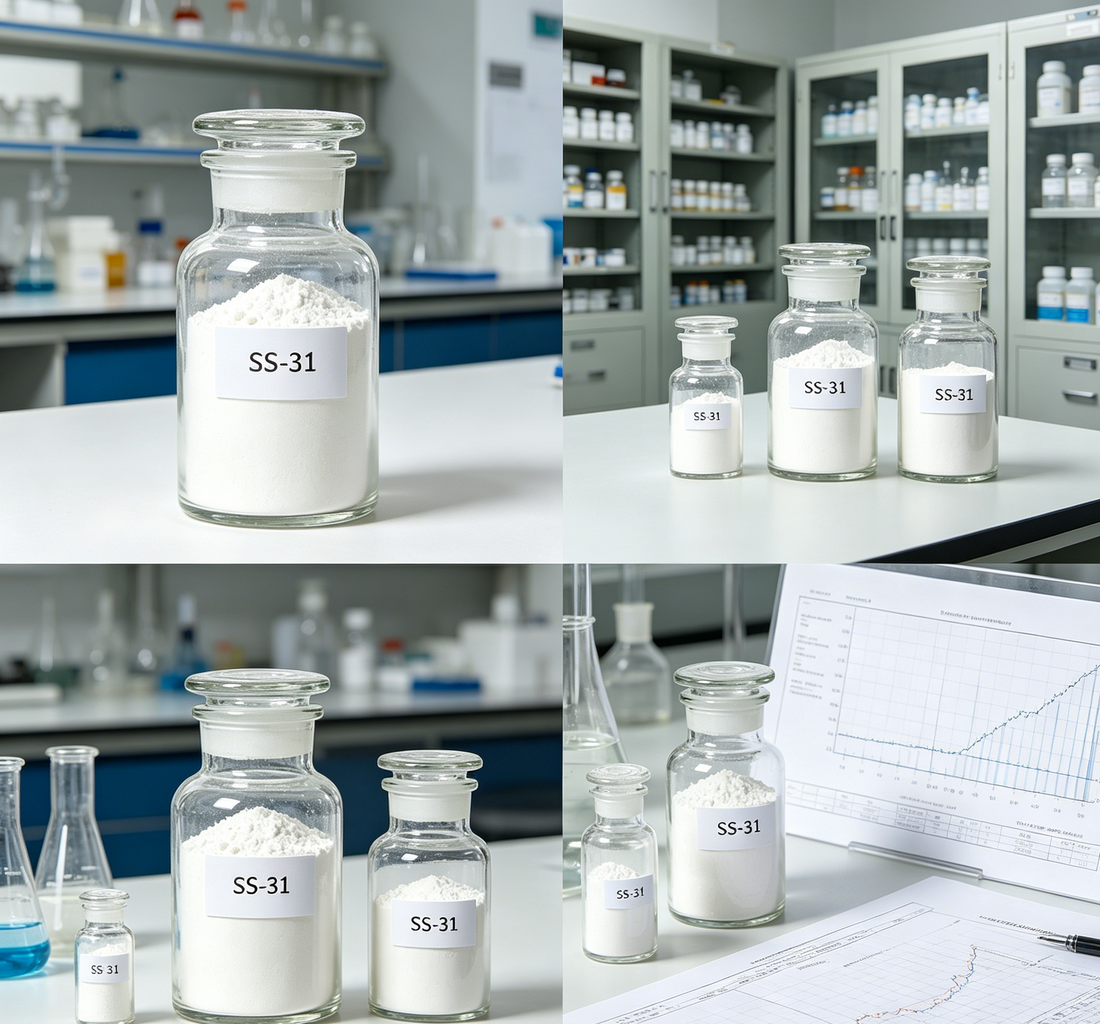
Peptides for in cell assays of mitochondrial oxidative damage, raw materials for cellular experiments on reactive oxygen species scavenging, powder for mouse models of cardiac/cerebral/renal ischemic injury, peptides for verifying pathways related to mitochondrial membrane potential homeostasis, raw materials for research on cellular senescence mechanisms, peptides for experiments regulating oxidative stress-induced apoptosis, raw materials for screening candidate organ-protective drugs, peptides targeting aging-related inflammatory pathways, SS-31 exclusively for mitochondrial pharmacology research in, peptides for studying repair mechanisms of injury
Unopened glass bottles and vials must be stored away from light under continuous low-temperature freezing conditions. Long-term storage at room temperature will disrupt the targeted spatial structure of the peptide and lead to an irreversible drop in its ROS-scavenging and mitochondrial protective activity.
Complete sampling quickly after opening the cap, and tighten the sealed lid right after sampling to minimize prolonged contact between the powder and air/moisture, so as to avoid deliquescence and degradation of the peptide.
Use sterile neutral buffer solvents for reconstitution and mix the liquid with slow, gentle swirling. Violent shaking that generates numerous bubbles will break peptide chains and directly impair biological activity.
The reconstituted solution is only suitable for short-term refrigerated storage. After more than 7 days of storage, peptide stability will decrease, and it is not recommended for high-precision long-term cell and animal assays.
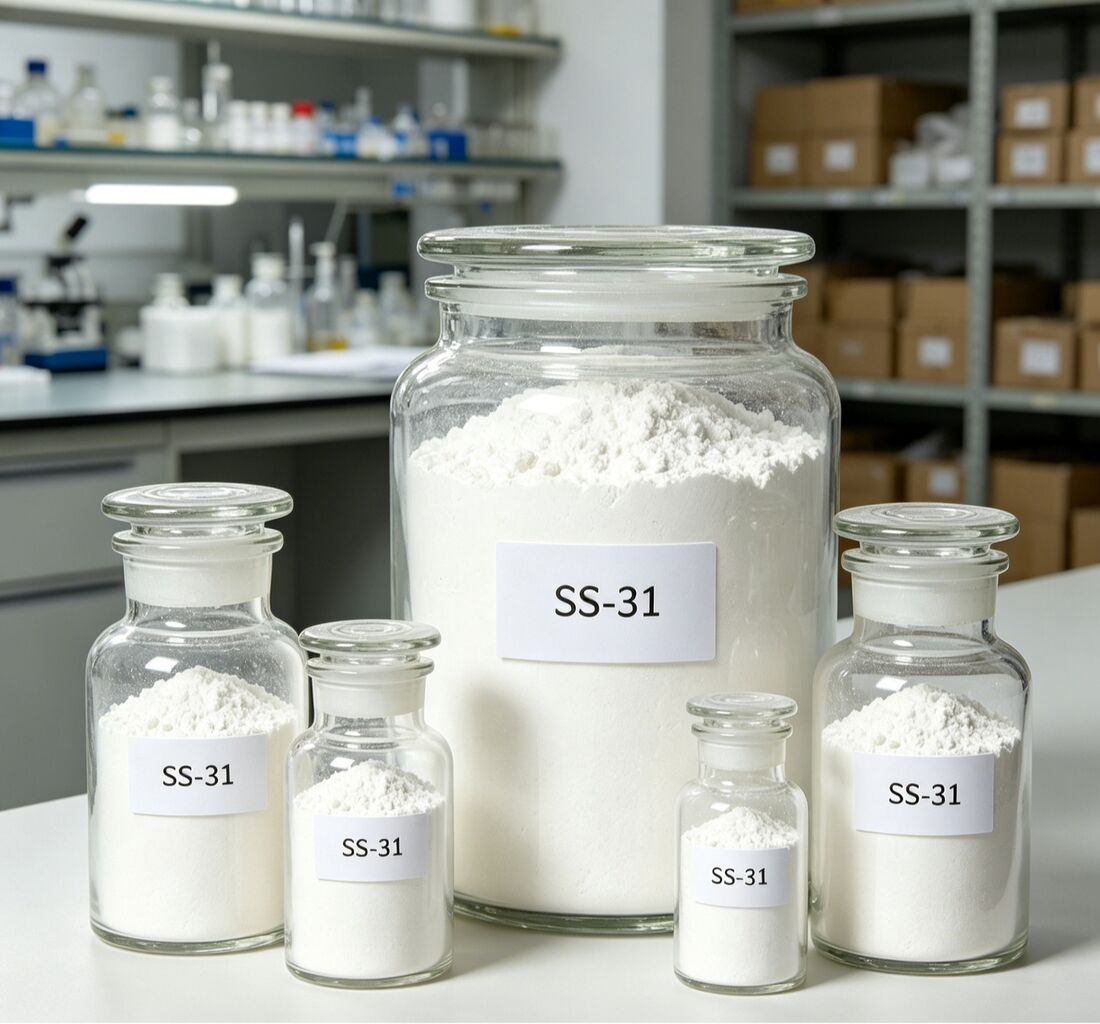
Peptides for in cell assays of mitochondrial oxidative damage, raw materials for cellular experiments on reactive oxygen species scavenging, powder for mouse models of cardiac/cerebral/renal ischemic injury, peptides for verifying pathways related to mitochondrial membrane potential homeostasis, raw materials for research on cellular senescence mechanisms, peptides for experiments regulating oxidative stress-induced apoptosis, raw materials for screening candidate organ-protective drugs, peptides targeting aging-related inflammatory pathways, SS-31 exclusively for mitochondrial pharmacology research in, peptides for studying repair mechanisms of injury
Unopened glass bottles and vials must be stored away from light under continuous low-temperature freezing conditions. Long-term storage at room temperature will disrupt the targeted spatial structure of the peptide and lead to an irreversible drop in its ROS-scavenging and mitochondrial protective activity.
Complete sampling quickly after opening the cap, and tighten the sealed lid right after sampling to minimize prolonged contact between the powder and air/moisture, so as to avoid deliquescence and degradation of the peptide.
Use sterile neutral buffer solvents for reconstitution and mix the liquid with slow, gentle swirling. Violent shaking that generates numerous bubbles will break peptide chains and directly impair biological activity.
The reconstituted solution is only suitable for short-term refrigerated storage. After more than 7 days of storage, peptide stability will decrease, and it is not recommended for high-precision long-term cell and animal assays.
 ,Retailer ,Online Seller